

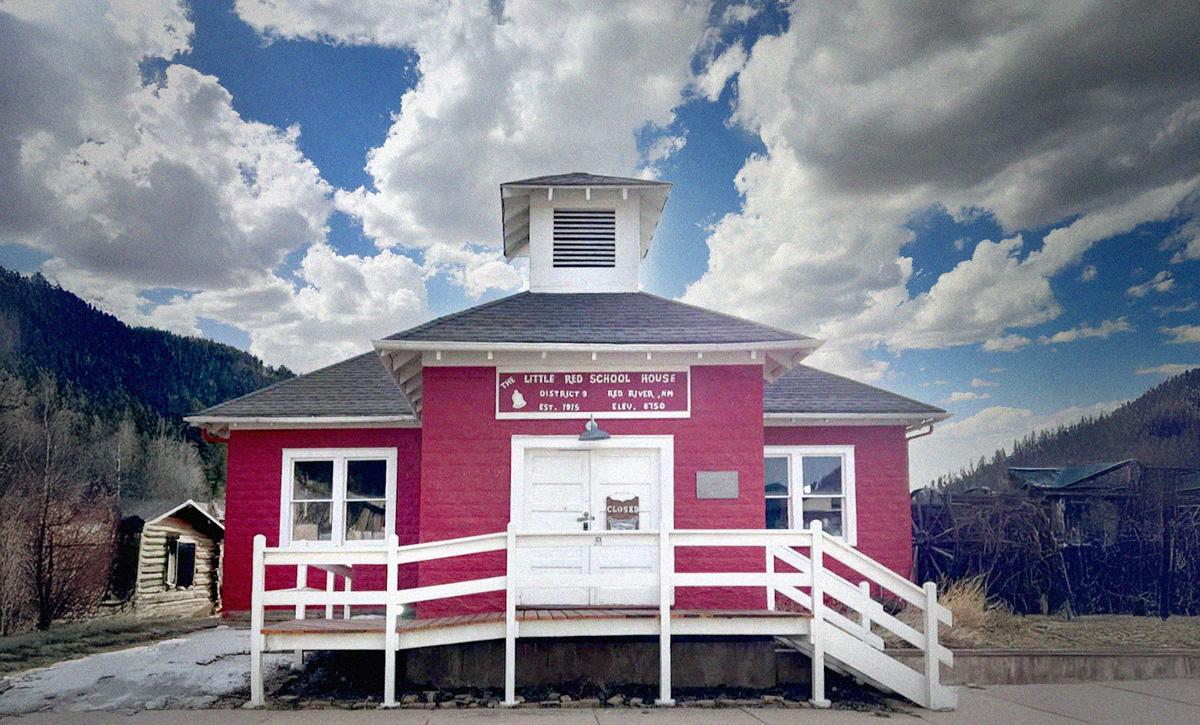
In November, our publication highlighted the Taos County Cultural Treasures Project, a project aimed at identifying and protecting the region’s cultural and natural assets while balancing growth, tourism and community needs.
The effort is led by the county and is designed to document both physical assets, including venues, community centers, vacant facilities, trails and waterways, and intangible resources that carry historic, cultural or traditional meaning. County leaders say the work responds to concerns that the culture could be slowly erased by time and progress.
Contessa Trujillo, an Economic Recovery Corps fellow, is working alongside Jessica Stern, Taos County Economic Development Director with the county’s economic development office. Trujillo says the project was built from the ground up to reflect a place-based and people-centered approach. Rather than relying only on existing inventories, she said the county is asking residents to define what matters most to them, and what feels threatened.
Trujillo is a multi-generational Taoseña. She expressed the importance and impact this project could have in ensuring the county makes smarter decisions as they look toward its next phase of planning. The information gathered through the study can shape policy, planning and education, she said, and help the county target resources to sustain what residents say makes Taos County unique.
“Look at restaurants like the Taoseño. It closed several years back but many local Taos families have memories of special events and graduations, parties and history in that restaurant. I can’t tell you how many times my dad and his car club went to eat there and make important decisions. This is part of our history and community, and we need to identify it as such.”
At its core is cultural asset mapping, a process that combines data about the physical landscape with community stories and lived experience. Organizers say that includes not only places people can point to on a map, but also community knowledge, languages, traditions, gathering spots and even sensory memories tied to the land.
“We can’t protect, preserve that which we have not yet identified,” Trujillo said, encouraging people to share their stories, histories, and items of significance to the landscape of northern New Mexico.
Trujillo said the project team has spent months doing intensive community outreach across the county, working through questions about how to define “treasures,” how to share space respectfully and how to ensure the process reflects the county’s diversity. She said early steps included drafting community agreements and land acknowledgement, as well as deciding who should be engaged and how findings should be presented.
The county has hosted public community conversations meetings since announcing the project at the Talpa Community Center and at the town of Taos, with turnout typically ranging from about 20 to nearly 50 participants.
Stern said the project’s end product will be a digital map where users can click on points on a map in Taos County and explore what residents have identified as cultural treasures. The map will be paired with a dataset giving people a collection of entries describing places, organizations, stories and other assets, along with what residents believe could threaten their sustainability.
Project organizers say the map will incorporate existing data already cataloged such as waterways, public lands and cultural institutions, while adding personal narratives and perspectives gathered through surveys and conversations.
Trujillo said the survey is intentionally detailed and encourages reflection, noting that winter can be a good time for residents to take a closer look at the questions and think through the stories they want to share. Organizers have also discussed encouraging participants to pair up to interview one another, helping capture deeper context during the holiday season and into the new year.
Residents are invited to contribute media as well, including photographs, audio, video or links, according to the county. Organizers say that approach may help reduce barriers in communities where written surveys feel less accessible and allow people to share information in ways that better match local traditions.
Stern said the county wants residents to share what they love most about Taos County’s unique history and landscape. It could be a person, a place, a landscape feature, an organization, a story or a language and to describe what may be making it harder to hold on to those things.
The next community conversation is scheduled for Thursday, Feb. 5, at the Red River Conference Center. Organizers said doors open at 5:15 p.m., with time set aside for a free dinner before a brief introduction to the project. Questa’s community conversation will be Tuesday, Feb. 17 at the Grill at El Monte Carlo. Doors open at 5:15 p.m. and will follow the same cadence as Red River. Participants will then have about 90 minutes to complete the survey and share their input. The events are free and include food.
Additional stops are planned or under discussion in communities including Arroyo Seco, Peñasco, Amalia and Costilla, with organizers continuing to coordinate dates and locations.
The goal of the project is to ensure that Taos County grows while ensuring it does not lose the qualities people say define home.