

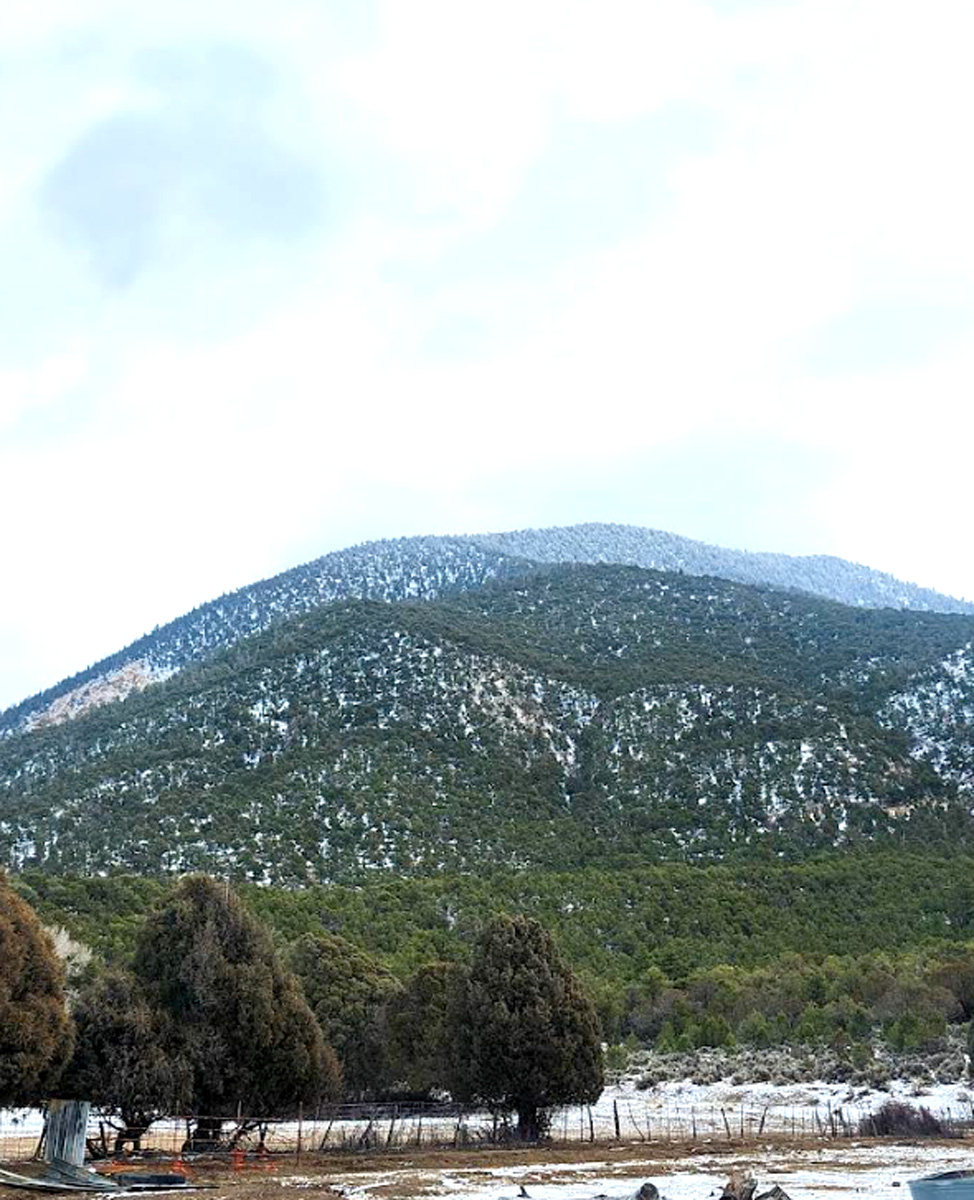
About 1.7 million New Mexico residents are living in areas experiencing drought, according to the U.S. Drought Monitor, as dry conditions intensify across the state.
In Taos County, officials say the region has not seen drought conditions like this in 132 years. Most of the county is classified as abnormally dry, with severe drought accounting for about 8% of the area.
On Feb. 15, the Questa Fire & EMS instituted a burn ban for the Questa area due to increased fire risk. All open burning is prohibited including trash pits, brush piles, and bon fires.
Propane grills and enclosed pellet stoves are allowed, however officials encourage extreme caution.
The ban will remain in effect until further notice.
The drought is affecting agriculture as well. Approximately 5,817 acres of hay are located in Taos County, along with 2,075 cattle and 834 sheep.
Snowpack across New Mexico is well below normal for mid-February, with many measurement sites and basin estimates showing less than half of the typical snow water equivalent for this time of year. In major basins such as the Upper Rio Grande, snowpack is running significantly below median levels.
Because mountain snowpack serves as a natural reservoir, storing water that gradually melts in spring, reduced accumulation can have widespread impacts.
With less snow building up over the winter, there is less water available to feed rivers and streams during the spring runoff season. That typically results in lower stream flows and diminished water levels in creeks, rivers and reservoirs, especially during peak runoff between April and June.
If existing snow melts quickly due to warmer temperatures or early warming periods, runoff could occur earlier than normal. That shift may shorten the runoff season and leave less water available later in the spring and summer, when demand increases.
Persistent low snowpack also contributes to dry soils and vegetation, heightening drought severity and increasing wildfire risk if warm and dry weather continues.
Officials say mitigating fire danger starts with individual responsibility. Residents are urged to clear dead vegetation and debris from around homes, maintain defensible space, properly dispose of ashes, avoid parking vehicles on dry grass and follow any local fire restrictions. Simple steps such as securing trailer chains, checking equipment for sparks and avoiding outdoor burning during windy conditions can help prevent human-caused fires.
With much of the state already in drought and fuels drying earlier than usual, authorities emphasize that one spark can quickly become a fast-moving wildfire under the right conditions.
Snowpack measurements at this point in the season remain provisional and could change with late winter storms. However, as of mid-Feb. 2026, below-normal snowpack suggests a relatively weak spring runoff season, likely leading to reduced river flows, lower water availability later in the year and elevated drought and fire potential if current trends continue.