

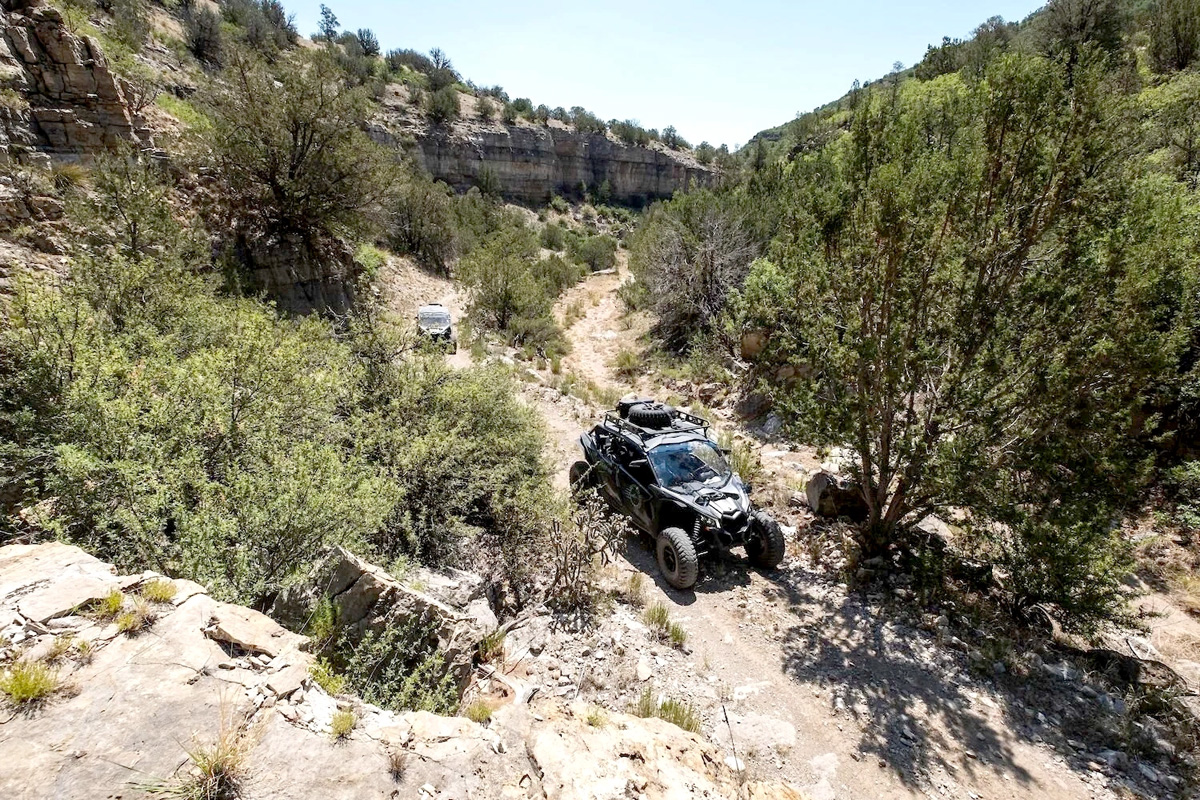
As warmer weather and longer daylight hours draw more people outdoors, New Mexico wildlife officials are reminding off-highway vehicle riders to follow safety regulations while exploring the state’s trails and public lands.
The New Mexico Department of Wildlife said operators and passengers of off-highway vehicles, or OHVs, should wear proper safety equipment and follow recommended operating guidelines to reduce the risk of accidents and injuries.
“Accident injuries can be greatly reduced when users follow the manufacturer’s recommended guidelines, properly wear DOT-approved helmets, eye protection and use seatbelts,” said Conservation Officer Desi Ortiz, the department’s OHV program manager.
Ortiz also urged riders to remain aware of other trail users, check trail conditions before heading out and avoid excessive speed.
“The No. 1 cause of all accidents and fatalities is speed,” Ortiz said. “Slow down and enjoy the Land of Enchantment.”
State law requires all OHV operators younger than 18 to complete a certified OHV safety course and carry proof of completion, commonly known as a safety permit, while riding in New Mexico. Riders under 18 also must wear a securely fastened helmet approved by the Department of Transportation or the Economic Commission for Europe, along with approved protective eyewear.
In addition, operators younger than 18 are prohibited from carrying passengers, even on vehicles designed to accommodate more than one person.
The department also reminded riders that it is illegal to operate an OHV on public lands while under the influence of alcohol or drugs, or in a reckless, careless or negligent manner that endangers people or property.
Other prohibited activities include chasing or harassing wildlife or domestic animals, harming livestock, interfering with agricultural operations and operating an OHV in areas where local, state or federal laws prohibit vehicle use.
State regulations also require OHVs operated after dark to be equipped with functioning headlights and taillights. Vehicles must be registered, fitted with a spark arrester and comply with the state’s maximum noise limit of 96 decibels.
OHVs generally are not allowed on paved roads unless authorized by a local ordinance or resolution and accompanied by a New Mexico paved road permit or valid out-of-state street registration.
Department officials encourage riders to review state regulations and safety requirements before heading out on New Mexico’s trails. Additional information is available through the state’s OHV safety resources.